Enterprise web development is the process of making custom digital platforms to perform complex operations of large-scale organizations. Unlike a standard website, these platforms are integrated directly with core corporate tools like CRM and ERP systems while handling heavy traffic loads.
Large corporations need these specialised solutions because off-the-shelf software cannot support their strict data and security needs. While a regular website acts as a digital storefront focusing on basic content, an enterprise website is a company’s central engine that automates global business processes securely. By reading this article, you will learn what is enterprise web development, the fundamental architecture behind enterprise platforms, how they differ from standard websites, and how to plan high-level software investment for your organization.
Quick Answer: Enterprise web development is the engineering of custom digital platforms to manage large organizations’ complex operations. These integrate directly with CRM and ERP software and other corporate tools to handle massive user traffic.
- What Is Enterprise Web Development?
- What Makes Enterprise Web Development Different?
- Key Features of Enterprise Website Development
- Enterprise Website Development Process
- Enterprise Web Application Development Explained
- Benefits of Enterprise Website Development
- Essential Technologies Used in Enterprise Web Development
- Common Challenges in Enterprise Web Development
- Enterprise Website vs Enterprise Web Application
- Enterprise Web Development Trends (2026)
- Frequently Asked Questions
- Conclusion
What Is Enterprise Web Development?
Enterprise software development means building big custom computer programs that help companies run their daily business. Instead of serving an individual person, this software is made to help thousands of employees across different departments work together and handle large data without mistakes.
Its main job is to connect all the separate parts of the business into one unified system. This prevents errors and makes management easy, keeping track of all the things happening across the company in real-time.
What Makes Enterprise Web Development Different?
When anyone builds a standard website, they are basically setting up a cool digital storefront. It must look pretty, load fast, and show people your portfolio or sell products. It is like running a small coffee shop.
But from a global or enterprise perspective? It is completely different. You are not just building a storefront; you are building an entire supply chain, the automated warehouse, the security vault, all at once.
Enterprise web development means creating a system that can handle millions of people hitting the site at the same time without crashing. It has to instantly talk to the company’s shipping trackers, tax calculators, and updates across fifty different countries while protecting it from hackers.
If a regular website goes down for an hour, it might not affect that much, but if a web enterprise or app blinks, a company can lose millions of dollars in minutes. According to global research compiled by Gatling, a single minute of IT downtime for a mid-to-large enterprise level website hits an average of $15,000 per minute, adding up to $600 billion in annual loss across the Global 2000.
Let’s look at the differences side by side.
| Standard Website | Enterprise Website |
| Small database handles basic local information | Massive database syncs huge volumes of corporate data |
| Built for a few users browsing at the same time | Built for thousands or millions of users |
| Managed via a simple CMS for quick text updates | Powered by a heavy-duty enterprise CMS workflow |
| Relies on basic security | Needs enterprise-grade security and compliance |
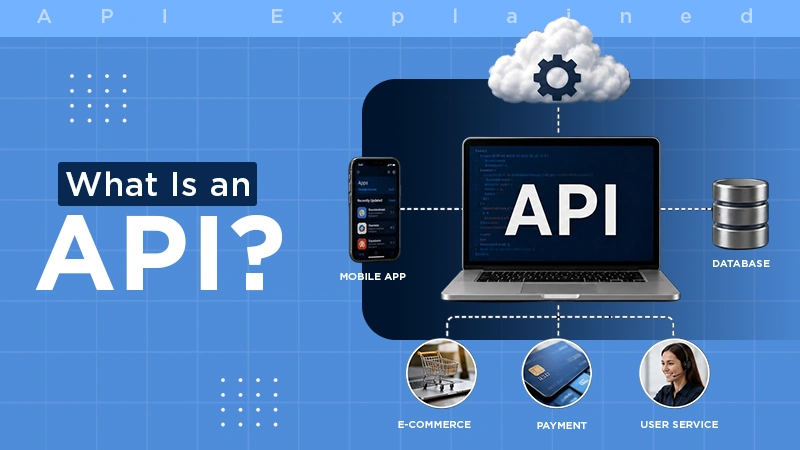
| Has limited integrations like simple contact forms | Uses multiple API integrations to tie the system together |
| Built for a simple location or local target market | Built to support complex global operations |
Key Features of Enterprise Website Development
Since enterprise website solutions handle huge content and manage massive traffic daily, they need a serious engine built. Let’s look at the features that keep these systems running smoothly.
- Scalability: Enterprise sites host mountain loads of content and media. They need code that stretches automatically so the system doesn’t crash during major traffic spikes.
- High Performance: Nobody wants to wait for a page to load longer. Clever optimization keeps pages running fast even when pulling huge amounts of data.
- Enterprise Security: Having a big public website means you are a bigger target for hackers. Enterprise web software development needs automated firewalls to isolate threats and keep its database locked down tight.
- Cloud Infrastructure: It balances enormous content loads across global cloud networks and dynamically shifts traffic so a server failure never takes your site offline.
- API Integrations: This allows front-facing content to interact directly with backend systems. It instantly syncs millions of live inventory or pricing changes.
- Multi-user Access: With hundreds of users logging in at once, things can get hard to handle. This feature lets you control who can edit and who can view only.
- Workflow Automation: The system automatically optimizes large media uploads, flags broken pages, deploys global content, basically handling every major and minor task automatically.
- Business Intelligence Dashboards: It turns massive piles of data into clean visual charts so that it’s easier for teams to get insights needed to make decisions.
- Custom Admin Panels: Standard backend dashboards get cluttered quickly. So, having custom admin panels gives your internal teams a clean workspace to manage updates.
- Mobile Responsiveness: This dynamically compresses data-heavy enterprise layouts into fast and responsive mobile views. It gives users identical functionality on any sized screen.
Enterprise Website Development Process
Building an enterprise website might sound complicated, but the roadmap is quite simple. As enterprise web developers, our job is to take huge business ideas and turn them into secure and reliable products. Let’s walk through the steps we use to build these digital web enterprise systems from scratch.
- Requirement Analysis
Developers and project stakeholders meet to map out every single technical and business requirement. The engineering team establishes the scope and identifies mandatory industry compliance standards (like HIPAA or GDPR) and capabilities.
- Business Discovery
This phase is to understand the company’s daily operational workflows. You analyse how the existing tools work, how the departments work, and how data currently moves through the company, basically asking how every process works to make sure that the new software solves the problem.
- Planning
Creating the official blueprint and defining the project timeline with resource allocation and budget. This step establishes the development methodologies (like Agile or Scrum) and aligns the team responsibilities.
- UX/UI Design
The enterprise web design step is to build interactive wireframes and visual prototypes focusing on user efficiency and accessibility. Professional web design services can help create intuitive interfaces that support complex enterprise workflows. Because these systems are used by thousands of people daily, the interface is optimized to reduce clicks and prevent human error.
- Architecture Planning
This is the design by the developers. They map out the entire technical framework, deciding how the databases, server, and application interact. Using microservices or cloud native setups to design the architecture.
- Backend Development
This is where the engine of the platform is built. Developers write the core server-side logic, manage the databases, and add security protocols to handle the business logic and processing safely for enterprise web app development.
- Frontend Development
Front-end engineers turn the approved UI/UX designs into fast and responsive code using modern frameworks (like React, Angular, Vue, etc.). The client-side optimization is handled here, so data-heavy pages load easily across all devices.
- API Development
Next comes interlinking different parts of the enterprise web. Developers build custom Application Programming Interfaces (APIs) to act as digital bridges. This makes communication with the backend intact and ties in with existing tools like CRMs and ERP systems.
- Testing & QA
Now the platform is tested. Automated security scans, load testing to simulate millions of simultaneous users, and cross-browser checks. Every bug and vulnerability is completely resolved before launch.
- Deployment
This is the launching phase. The platform is launched onto production servers using AWS, Azure, or other cloud infrastructures.
- Maintenance & Continuous Improvement
Once live, engineers provide around-the-clock monitoring and optimize performance. Ongoing website maintenance services help keep enterprise platforms secure, updated, and performing reliably. The team gathers real-world usage data to continuously roll out updates, feature enhancements, and upgrades so that your enterprise web solutions remain future-proof.
Enterprise Web Application Development Explained
A lot of people confuse web apps with standard websites, but they are totally different. A website just shows the information, while a web app actually does work (processing, tracking in real time). According to Mordor Intelligence, core web applications hold a 57.35% majority share of all modern web development services.
Enterprise level web application development is the process of building these interactive software tools to run a company’s internal operations smoothly. They replace spreadsheets and manual management with flexible cloud-based tools that employees can access from anywhere.
Instead of disjointed tools, developers built these common connected applications such as:
- HRMS: Digitizes payroll, benefits, and tracking global employees.
- CRM: Centralises sales pipelines and customer touchpoints.
- ERP: Syncs global supply chains, manufacturing data, and corporate finances.
For enterprises operating large online stores, marketplaces, or complex digital commerce platforms, specialized e-commerce website development can help integrate product catalogs, payment systems, inventory management, and customer workflows into the wider enterprise ecosystem.
Benefits of Enterprise Website Development
Investing in custom enterprise website development shifts a company from slow operations into a single high-speed ecosystem. It unlocks long-term advantages such as:
- Better scalability: Your system handles sudden traffic spikes and data growth without crashing at any time.
- Higher security: Building with military-grade encryption and compliance protocols protects sensitive data from hackers.
- Improved customer experience:
- Automation: Removes repetitive, slow manual work by automating operational tasks. Thus, reducing human error across departments.
- Faster business operations: It speeds up everything your company does internally, helping your teams finish their work in a fraction of the time.
- Centralized management: Bringing all your different tools together in one single screen so the authorities get a clear view of the whole company.
- Easier integrations: It acts like a perfect adapter. Your website talks easily and shares files with your accounting, sales software, etc.
- Data analytics: Your messy data and numbers are turned into clean visual charts to get better insights.
- Global accessibility: It lets your employees and customers log in from anywhere in the world with matching local language and currencies perfectly.
- Higher ROI: Instead of paying expensive monthly rental fees for basic software, owning your own custom system saves you millions of dollars as you grow.
Essential Technologies Used in Enterprise Web Development
Picking the right tech stack is make-or-break. To handle heavy traffic and keep data safe, here are the languages and frameworks to be used, coming from the expert enterprise website development company.
| Layer | Technologies |
| Frontend | React, Angular, Vue, TypeScript, Next.js, Nuxt.js |
| Backend | .NET, Java (Spring Boot), Node.js, Python (FastAPI), Go (Golang), Rust |
| Database | MySQL, PostgreSQL, MongoDB, CockroachDB, Pinecone/Mivus (Vector DBs for AI) |
| AI & LLM Integration | OpenAI API, Anthropic Claude, LangChain, LlamaIndex, Hugging Face Transformers |
| Cloud | AWS, Microsoft Azure, Google Cloud Platform (GCP) |
| Containers | Docker, Kubernetes, Podman |
| APIs | REST, GraphQL, gRPC |
| Authentication | OAuth 2.0, JWT, Single Sign-On (SSO) |
| DevOps | Jenkins, GitHub Actions, AgroCD |
Common Challenges in Enterprise Web Development
Look, building an enterprise web is a challenging task. When managing many things at once, things get complicated fast. Let’s talk about the common challenges you will face:
- Complex architecture: Managing hundreds of interconnected microservices is like directing traffic in a busy city. Without a structural blueprint, your codebase is difficult to manage.
- Legacy system integration: The biggest challenge is forcing modern apps to share data with legacy internal software.
- Security threats: Big companies are giant targets for hackers. So, you need to defend against highly coordinated attacks aiming to steal millions of sensitive user records.
- Performance bottlenecks: When millions of users click the same button simultaneously, databases get frozen. Must use server caching and smart data tuning to keep pages loading instantly.
- Scalability: You need flexible cloud architecture that scales on demand because if your codebase isn’t built to expand, it might crash your servers.
- Compliance: Your customer’s data is something you can’t compromise with. So, keep data privacy rules like GDPR or HIPAA and store data legally.
- Project management: Leading huge dev teams across global time zones gets difficult to manage.
- Budget management: Feature creep is a silent project killer. If you don’t manage the project scope from day one, your development costs will be high.
Enterprise Website vs Enterprise Web Application
Think of an enterprise website like a company’s giant public billboard, like Walmart’s main site where you browse items. An enterprise web application is the actual system workers use to track inventory or process payroll. Let’s see how they compare side-by-side:
| Enterprise Website | Enterprise Web Application |
| Informational content meant for reading and browsing | Interactive tool designed to perform heavy operational tasks |
| Accessible directly by public users without login hurdles | Requires secure login gates for authenticated users only |
| Focused on marketing and lead generation | Built entirely to run internal core business operations |
| Relies on static pages or basic article layouts | Driven by complex dynamic workflows and software logic |
Enterprise Web Development Trends (2026)
Tech is changing so fast. Here are the top trends that enterprise web development services follow that are shaping the future of big business platforms today:
- Smart Engines: AI-powered automation, AI chatbots, and predictive analytics instantly automate tasks and project real-time business insights.
- Modular Setup: Headless CMS separates content from design and microservices break heavy code into small pieces.
- Lean Infrastructure: Serverless architecture and edge computing decrease the overhead by running code on decentralised nodes closer to global users.
- Fast & Secure: Low-code platforms speed up app testing, and PWAs desktop speeds on mobile, and Zero Trust security verifies every user to block modern hackers.
Frequently Asked Questions
What is enterprise web development?
Enterprise web development is the process of building and maintaining custom digital platforms to manage complex business operations and data for large-scale organizations.
What is an enterprise website?
An enterprise website is a centralized ecosystem that connects core systems like CRM or ERP tools to handle massive traffic and automate business processes.
What is enterprise web application development?
Enterprise web application development is the process of making interactive cloud-based software tools like HRMS, inventory managers, payroll systems, etc. These are built to run complex internal business operations directly inside a web browser.
What technologies are used in enterprise web development?
For enterprise web development, combine robust backend languages (Java, .NET, Rust) with fast frontend frameworks (React, Next.js), global cloud infrastructure (AWS, Azure), and secure API protocols.
Why do enterprises need custom web solutions?
Large corporations require custom systems because off-the-shelf software cannot support their unique internal workflows. Complex operations require strong custom web solutions.
How do enterprise websites differ from regular websites?
Regular sites focus on simple marketing content and basic user actions. Enterprise sites act as data-heavy operational engines managing automated global processes and secure integrations.
How do I choose an enterprise web development company?
While choosing an enterprise web development company, look for a team with proven experience in cloud architecture, API integration expertise, security compliance testing, and Agile development framework.
Conclusion
Building a custom enterprise system is the solution to your unmanaged, complex operations. Relying on in the market software only limits your operational scale and exposes you to major security risks. By investing in custom website enterprise solutions, you benefit from faster and scalable management and handle millions of global users without crashing. If you want to future-proof your organization, stop renting restrictive tools. It is time to build a scalable digital ecosystem that you completely own and control.